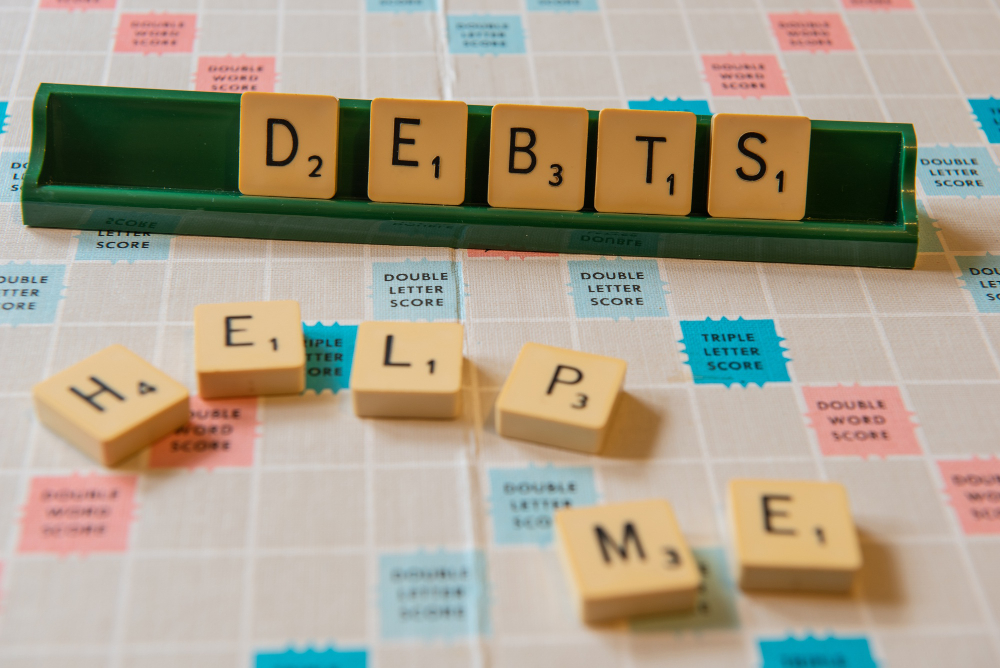
Nearly 1 in 5 Americans struggle with overwhelming financial obligations. It’s hard to manage their monthly expenses. A debt management plan can help. It involves working with a credit counseling agency to create a repayment strategy.
By joining a financial counseling program, you can get back in control of your money. This reduces financial stress. It also leads to a more stable financial future.
Learning about a debt management plan is the first step to financial freedom. It’s a way to manage your finances better.
Understanding Your Financial Situation
To manage your debt well, you need to know your financial status. This means looking at your income, expenses, debts, and assets. It helps you see where you are financially.
Assessing Your Total Debt
Knowing your total debt is key to a good debt plan. Start by collecting all debt details.
Gathering All Account Information
It’s important to gather all debt info. Make a list of your creditors, each account’s balance, interest rates, and monthly payments.
- Credit card statements
- Loan documents
- Mortgage statements
- Utility bills and other regular expenses
Categorizing Different Types of Debt
Sorting your debts helps you focus on the most important ones. You can group them into secured (like mortgages) and unsecured (like credit cards). Knowing this helps you figure out which debts to tackle first.
If you’re struggling with debt, getting help from credit counseling services is a good idea. They can help you make a debt plan and offer debt relief options that fit your situation.
By following these steps, you’ll be ready to tackle your debt and reach financial stability.
What Is a Debt Management Plan?
A debt management plan is a strategy made with a credit counseling agency’s help. It aims to manage debt by combining payments and possibly lowering interest rates and fees.
Definition and Core Components
A debt management plan (DMP) is a plan to pay off unsecured debts like credit card bills and personal loans. It has a few key parts. You make one monthly payment to the credit counseling agency.
The main parts of a DMP are:
- Combining all debts into one monthly payment
- Possibly lowering interest rates and fees
- A set time to pay off the debt, usually 3-5 years
How Debt Management Plans Work in the US
In the US, non-profit credit counseling agencies run debt management plans. They work with creditors to lower interest rates and waive fees. This makes it easier for people to pay off their debts.
The steps are:
- Looking at your financial situation
- Creating a plan just for you
- Making one monthly payment to the agency, which then pays your creditors
Who Can Benefit from a DMP
People with unsecured debt, a steady income, and a commitment to paying off debt can use a DMP. It’s especially good for those with high interest rates and fees.
Typical Timeline for Debt Resolution
A debt management plan usually lasts 3 to 5 years. The exact time depends on your debt, income, and what creditors need.
Benefits of Implementing a Debt Management Plan
A debt management plan helps you take back control of your money. It combines debts and talks to creditors. This can bring big financial relief.
Lower Interest Rates and Waived Fees
One big plus is getting lower interest rates and no fees. Credit counseling groups work with creditors. They can lower or wipe out these costs, making it simpler to pay off debts.
Simplified Payment Process
This plan makes paying off debts easier. It turns many debts into one monthly payment. This keeps things simple and helps you stay on track.
Path to Becoming Debt-Free
With a debt plan, you can slowly pay off your debts. It gives you a clear plan to follow. This keeps you motivated to reach your financial goals.
Impact on Your Credit Score
The effect on your credit score varies. Short-term effects might include a small drop in score. This could happen if accounts close or if there’s a note on your report.
Short-term Effects
At first, joining a debt plan might slightly lower your credit score.
Long-term Credit Improvement
But, as you pay off debts and stay disciplined, your score can improve over time. Finishing a debt plan shows you’re financially responsible. This can actually make your credit score better.
Working with Credit Counseling Services
Learning about credit counseling services is key for anyone wanting to manage their money better. These services offer expert advice to help you deal with debt.
Finding Reputable Credit Counselors in the US
Finding a good credit counselor is important. Look for agencies with the National Foundation for Credit Counseling (NFCC) or Financial Counseling Association of America (FCAA) approval. These groups make sure the agency is professional and honest.
What to Expect During Financial Counseling
At your first meeting, a counselor will look at your money situation. They’ll check your income, spending, debts, and credit score. This helps them make a plan just for you to handle your debt.
Costs Associated with Professional Help
The price of credit counseling can change. Some groups offer free or cheap help, while others charge more. Know the cost before you sign up.
Non-profit vs. For-profit Counseling Agencies
Non-profit agencies usually give free or low-cost advice and education. For-profit ones might offer more tailored help but cost more. Knowing the difference helps you choose wisely.
| Agency Type | Services | Costs |
| Non-profit | Educational resources, debt management plans | Free or low-cost |
| For-profit | Personalized debt management, credit counseling | Fees apply, varies by agency |
Understanding your options and what credit counseling offers helps you make a smart choice for your money.
Creating Your Personalized Debt Repayment Plan
Creating a plan to manage debt is key to financial freedom. A good debt repayment plan helps you control your money. It moves you closer to being debt-free.
Debt Snowball vs. Debt Avalanche Methods
There are two main ways to pay off debt: the debt snowball and debt avalanche methods. The debt snowball method pays off debts from smallest to largest. This gives you a quick win as you clear smaller debts.
The debt avalanche method focuses on debts with the highest interest rates. This can save you money in interest over time.
- Debt Snowball: Pay off smallest debts first for a psychological boost.
- Debt Avalanche: Pay off debts with the highest interest rates first to save on interest.
Setting Realistic Payment Goals
Setting payment goals that you can reach is important. You need to look at your income, expenses, and debt. Budgeting tools and financial calculators can help a lot.
Negotiating with Creditors
Talking to creditors can lower what you owe or get better terms. Being clear and direct is important.
Scripts for Effective Communication
Using scripts can make talking to creditors easier. For example:
“I’m reaching out to discuss possible options for reducing my debt. Could we explore settlement options or temporary hardship programs?”
Documentation to Prepare
Having the right documents ready helps your negotiation. You’ll need income proof, expense records, and debt statements.
- Income verification documents
- Expense records
- Debt statements
Building an Emergency Fund While Paying Down Debt
Having an emergency fund is crucial to avoid more debt. Try to save $1,000 or one month’s expenses first. This fund helps with unexpected costs, so you don’t go into more debt.
Debt Management Plan vs. Other Debt Relief Options
Debt relief options can be confusing. But, it’s key to understand them to achieve financial freedom. When you’re in debt, knowing your options is crucial.
Debt Consolidation Loans
A debt consolidation loan merges many debts into one. It often has a lower interest rate and one monthly payment. This can make managing your money easier and save on interest. But, make sure the loan terms are good and you’re not paying for longer than needed.
Debt Settlement Programs
Debt settlement means talking to creditors to lower what you owe. It can help a lot, but it might hurt your credit score. Also, you could face tax issues on the debt you don’t pay back. Plus, creditors might not agree to settle.
Balance Transfer Credit Cards
Balance transfer cards let you move high-interest debt to a new card with a 0% intro APR. This can save you money and help you pay off debt quicker. But, watch out for balance transfer fees and high rates after the intro period.
Bankruptcy: Chapter 7 and Chapter 13
Bankruptcy is a legal way to get debt relief. Chapter 7 means selling assets to pay creditors. Chapter 13 lets you make payments over time. Bankruptcy can hurt your credit, but it might be the best choice for big debts.
Choosing the Right Option for Your Situation
Choosing the right debt relief strategy depends on your finances, credit score, and goals. It’s essential to assess your options carefully. Consider getting advice from a financial advisor or credit counselor to find the best way forward.
Selecting Reputable Debt Management Companies
Finding a good debt management company can change your financial life. They can help you deal with debt and reach financial stability.
Red Flags to Watch For
When picking a debt management company, watch out for red flags. These include:
- Excessive upfront fees: Be careful of companies that want money before they start work.
- Lack of transparency: Make sure they explain their methods, costs, and what you can expect clearly.
- Poor customer service: Check if they answer your questions and solve your problems well.
Questions to Ask Before Enrolling
Before you join a debt management company, ask these questions:
- What services do you offer, and how will they help me?
- What are your fees, and how are they structured?
- Can you give me references or testimonials from past clients?
Researching Company Credentials and Reviews
It’s important to research a debt management company. Look for:
- Accreditation from groups like the National Foundation for Credit Counseling (NFCC).
- Positive reviews on sites like the Better Business Bureau (BBB).
Understanding Fee Structures and Contracts
Know the fees and what you’re agreeing to before you sign up. Here’s a look at common fee types:
| Fee Structure | Description | Typical Range |
| Flat Fee | A one-time payment for services | $50-$200 |
| Monthly Fee | Ongoing payments for continued support | $20-$50/month |
| Percentage-Based Fee | A percentage of the total debt or payments made | 10%-20% |
By being informed and careful, you can find a reputable debt management company. They can help you achieve financial freedom.
Budget Planning Assistance for Long-Term Success
A good budget is key to managing debt. It helps you control your money and pay off debt. This way, you can reach your financial goals.
Creating a Sustainable Budget
First, know the difference between must-haves and nice-to-haves. Must-haves are things like a home and food. Nice-to-haves are things like eating out.
Essential vs. Non-essential Expenses
It’s important to cut back on nice-to-haves. This lets you put more money towards debt. By choosing needs over wants, you can change how you spend money.
Finding Areas to Cut Back
- Look at your budget to find where you can save.
- Try to spend less on things like food and subscriptions.
- Use the 50/30/20 rule: 50% for must-haves, 30% for nice-to-haves, and 20% for savings and debt.
Tracking Expenses and Progress
It’s important to keep an eye on your spending. This helps you stay on track with your debt plan. Regularly check your budget to see where you can improve.
Tools and Apps for Financial Management
There are tools and apps to help manage your money. They make it easier to track your spending and stay on budget. Some popular ones are:
- Mint: A budgeting app that tracks your spending and gives advice.
- You Need a Budget (YNAB): A tool that helps you manage every dollar.
- Personal Capital: A platform that shows you your income and expenses.
Lifestyle Adjustments to Support Debt Reduction
Changing your lifestyle can help with debt. This might mean spending less, earning more, or getting better deals.
By making these changes and sticking to your budget, you can achieve financial freedom. Being debt-free brings many benefits.
Conclusion: Your Path to Financial Freedom
Creating a debt management plan is key to financial freedom. It helps you understand your finances and work with credit counseling. This way, you can manage your money better.
A good plan can make payments simpler, lower interest rates, and remove fees. This makes it easier to pay off debt. Financial counseling helps you make a budget and adjust your lifestyle for long-term success.
By managing your finances well, you can reach financial freedom. Credit counseling agencies, like the National Foundation for Credit Counseling, offer help. They guide you towards financial stability.
FAQ
What is a debt management plan and how does it work?
A debt management plan helps you pay off debt. It’s managed by a credit counseling agency. You’ll combine debts, talk to creditors, and make a payment plan to be debt-free.
How do I assess my total debt and create a plan to pay it off?
First, list all your debts. Then, sort them and get help from credit counseling if needed. Choose a debt repayment method, set goals, and talk to creditors.
What are the benefits of implementing a debt management plan?
Debt management plans offer lower interest rates and no fees. They make payments easier. They can also help you become debt-free and improve your credit score.
How do I find reputable credit counselors in the US?
Look for non-profit groups like the National Foundation for Credit Counseling (NFCC) or the Financial Counseling Association of America (FCAA). Check their certifications and read reviews. Ask about their services and fees.
What is the difference between a debt management plan and a debt consolidation loan?
A debt management plan is managed by a credit counselor. A debt consolidation loan combines debts into one. A plan might be better if you need help with creditors and a custom plan.
How do I choose the right debt relief option for my situation?
Think about your financial situation and goals. Compare debt plans, consolidation loans, settlement programs, and bankruptcy. Choose what’s best for you.
What are the red flags to watch for when selecting a debt management company?
Watch for high fees and poor service. Check company credentials and reviews. Ask about services, fees, and contracts before joining.
How can I create a sustainable budget and track my expenses?
Identify what you need and what you don’t. Cut back where you can. Use apps like Mint or YNAB to track spending. Make lifestyle changes to help pay off debt.
Will a debt management plan affect my credit score?
Yes, it might lower your score at first. But, it can improve it over time. It helps you become debt-free and makes timely payments.
How long does it take to resolve debt through a debt management plan?
It depends on your situation and plan. It usually takes years to pay off all debt.